
When embarking on a home renovation project, the scale of work can vary widely. A simple kitchen upgrade might require minor aesthetic changes, such as swapping countertops or repainting cabinets, which usually doesn’t warrant the use of industrial-level services. However, there are situations where the scope of renovation extends beyond typical residential upgrades and delves into a realm that calls for more advanced solutions.
Major structural changes, like removing load-bearing walls to create an open-concept living space, often demand specialized knowledge and equipment. In such cases, the involvement of construction management becomes crucial to ensure safety and compliance with building codes. Additionally, renovating a historic home may require industrial services to respect the original architecture while implementing modern upgrades.
Another scenario where industrial services might be necessary involves extensive remodeling, such as adding stories to an existing structure. These projects can benefit from a crane rental to aid in moving heavy materials. Moreover, ensuring that all components of the renovation are seamlessly integrated often necessitates the expertise of construction management professionals to synchronize various contractors’ efforts effectively.
Luxury and complex detailing in renovations also often extend into industrial-level demands. For example, the use of high-end materials or custom designs which need special equipment or procedures would classify a project into this category. These situations demand meticulous planning and execution led by professionals who understand the intricacies involved.
Furthermore, an industrial-level renovation often requires a different timeline and financial commitment than standard renovations. Delays are more likely, and unexpected costs can rise quickly due to the scale and complexity of work involved. Consulting with professionals in advance will provide a realistic picture of the time and financial input required for successful completion.
Identifying the Need for Heavy Equipment and Specialized Contractors

As you delve deeper into your renovation plans, consider whether the scale requires heavy machinery or industrial equipment services. Equipment repair might be a concern if you’re using tools and machines older than you’d like during renovations. The efficiency and safety of your project greatly depend on the condition and reliability of your tools and machinery.
Industrial-level renovations also frequently require specialized contractors. For instance, employing skilled electrical contractors ensures that any additions or modifications to your electrical system are safely handled. Electrical work isn’t something to take lightly, as improper handling can pose significant safety hazards.
Another essential service often required during large-scale renovations is contracting fire sprinkler services. Fire sprinkler contractors play a vital role in ensuring your newly renovated space meets safety standards. These contractors can guide you with installations or upgrades necessary to protect your home against fire risks.
The successful execution of industrial home renovations often entails the use of machinery such as cranes, especially for multi-story extensions or when dealing with particularly heavy materials. Securing a crane rental service becomes critical to efficiently and safely move large components into place. Simultaneously, ensuring machinery reliability to avoid costly delays links back to effective equipment repair strategies.
Another layer of complexity arises with the integration of modern technology. Upgrading home systems to cutting-edge technologies often necessitates the hiring of specialized electrical contractors. These experts are not only adept in traditional wiring and electrical work but also proficient in setting up smart home systems that require seamless integration for maximum efficiency.
The Financial Planning Required for Industrial Home Renovations
Undertaking a home renovation at an industrial scale requires significant financial planning. Many homeowners opt for personal loans to finance their projects, given the sizable investment necessary. These loans offer flexible terms and can often be tailored to fit the unique financial landscapes of diverse projects.
Alongside personal loans, it is wise to consider how a credit union lending system might benefit your financial plan. Credit unions often provide competitive rates and more personalized customer service, which can be beneficial when managing the financial complexities of large-scale renovations. This option is ideal for those looking for community-oriented financial support in upscaling their homes.
It is crucial to have a comprehensive inventory tracking system in place during your renovation. Keeping track of materials and finances efficiently can prevent overspending and ensure that resources are allocated accurately over the duration of the project. This also helps in last-minute decisions or changes that require quick adjustments in the budget or materials needed.
Advanced financial planning tools can aid in predicting potential cost overruns and allow you to manage funds efficiently. Implementing such tools early on can give you insights and forecasts to adjust spending habits, ensuring financial stability throughout the renovation process. Consequently, you can better handle any unexpected expenses or requirements that arise during the project.
Understanding the financial impact of delays or changes in scope is essential. Not accounting for these can lead to a budget shortfall or strained resources, ultimately affecting your project’s outcome. Proactive budget management, coupled with strategic use of resources like personal loans, can mitigate these risks, providing the financial resilience needed for such extensive undertakings.
The Role of Advanced Water and Electrical Systems in Renovations
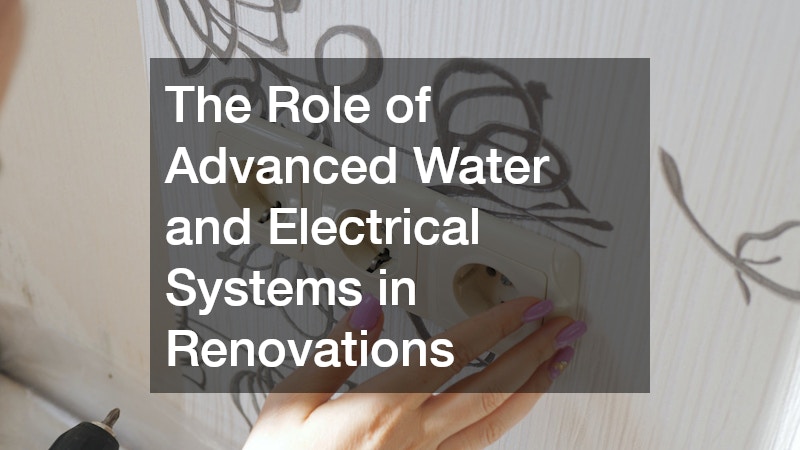
Modern home renovations often embrace the latest technologies and systems to improve efficiency and sustainability. This is where water treatment companies play an essential role, especially in homes with complex water systems that need upgrading. They ensure that your water quality is optimal post-renovation, which is vital for both health and appliance longevity.
Similarly, advanced electrical systems are a staple in contemporary renovations, requiring the expertise of qualified electrical contractors. These professionals ensure that the installation of new systems is done safely and efficiently. With the growing trend towards smart homes, engaging experienced contractors becomes even more crucial to integrate technology seamlessly into your living space.
Both electrical and water system upgrades often necessitate the use of specialized equipment and possibly equipment repair services. The intricate nature of these systems in a home typically requires more than basic tools, underscoring the need for industry-level involvement.
In achieving sustainable water and electrical system implementations, homeowners often opt for advanced technologies that demand precise installation techniques. Collaborating with water treatment companies can guide you through the selection and installation of systems designed to conserve water resources effectively. Such systems not only fulfill current needs but also address ecological impacts.
Integrating renewable energy resources, such as solar panels and battery storage solutions, further exemplifies the role of advanced systems in sustainable renovations. Electrical contractors specialized in these technologies provide insightful strategies for maximizing energy efficiency while lowering utility costs. Comprehensive advancements in system designs ensure these upgrades meet current and future needs comfortably.
The Importance of Exterior and Interior Aesthetics in Large-Scale Renovations
A successful renovation pays attention not just to structural integrity but also to aesthetics. Residential exterior painting can significantly impact the overall look of your property. Choosing the right colors and finishes can bring about an impactful transformation in the curb appeal of your home.
When addressing structural changes, managing the look and feel of both the interior and exterior becomes crucial. If massive changes are made, such as new roofing or facades, having a residential exterior painting expert ensures a high-quality finish that withstands environmental elements. These aesthetic enhancements complement the functional upgrades provided by industrial-level contractors.
Even the most comprehensive renovation projects can lose their appeal without proper attention to aesthetics. Hence, meticulous planning concerning color schemes and decor becomes part of an overall strategy maintained by effective construction management professionals. They ensure all elements not only serve a purpose but also blend harmoniously post-renovation.
Consistency in design themes across both the interior and exterior can enhance the overall visual unity of the home. Professional advice on choosing complementary materials and finishes can ensure that design coherence is maintained throughout the renovation project. Such efforts contribute to a seamless blend between style and functionality for long-term satisfaction.
Using a mix of modern and timeless elements can create a distinctive look that retains appeal and resale value over time. Integrating current style trends with classic, enduring materials minimizes the need for frequent updates. This balance requires a keen aesthetic sense aligned with innovative construction solutions tailored to the home’s distinctiveness.
Understanding and Navigating Legalities in Complex Renovations

With larger renovation projects, navigating the legal landscape becomes as important as the construction itself. Building permits are just the beginning; many renovations require adherence to zoning laws and regulations. Overlooking these requirements can lead to costly delays or even the dismantling of completed work.
The expertise of a construction management firm can be invaluable, as they understand the necessary permits and documentation for industrial-scale renovations. These professionals’ presence ensures that all legal aspects are covered, allowing for smooth progress and final approvals. Their involvement allows homeowners to focus on the creative aspects of their renovation without being bogged down by paperwork or compliance issues.
Insurance is another area where considerations must be made. Engaging in projects that require the use of heavy equipment or adjust structural components warrants revisiting your existing home insurance policy. Ensuring that your undertaking is fully covered protects against unexpected complications, providing peace of mind throughout the renovation process.
The complexity of legal requirements extends into areas such as environmental and historical preservation laws. Ensuring compliance with all regulations requires thorough understanding and often consultations with legal experts. This diligence prevents possible legal challenges or orders to reverse non-compliant work.
Contracts detailing the obligations of contractors become a pivotal legal aspect during renovations. Making sure these contracts are clear and comprehensive limits future disputes over project deliverables and responsibilities. Legal counsel specializing in construction projects can offer invaluable insight into crafting contracts that protect all parties involved.
Making Sustainable Choices During Home Renovations
Sustainability is becoming a priority for many during renovation projects. When upgrading homes at an industrial level, making sustainable choices can significantly impact the environment and your energy bills. Water treatment companies can aid in implementing systems that reduce water consumption and ensure efficient distribution throughout your home.
Sustainable materials and technologies can be incorporated into finishes, insulation, and energy systems. Consulting with electrical contractors knowledgeable in sustainable systems can assist in designing energy-efficient lighting and power solutions. Making these changes might come with an initial increase in expense, but long-term savings on utilities often offset the costs.
Additionally, the demand for smart home solutions aligns with many sustainability goals. These systems automate and optimize energy use, contributing further to a home’s efficiency. By integrating these choices from the start, homeowners ensure their renovations remain relevant and efficient for years to come.
Sustainable renovations encompass elements which significantly reduce the carbon footprint of a home. For example, using recycled building materials or sourcing timber from responsibly managed forests contributes to environmental conservation. Homeowners can work with professionals to identify the best sustainable options that meet their specific goals and regulatory standards.
Innovations such as greywater recycling systems or energy recovery ventilation systems further enhance a home’s sustainability profile. These systems not only reduce waste but also optimize the resource usage, providing both economic and ecological benefits. Collaborating with experts familiar with these technologies guarantees that the installations are functional and compliant with environmental policies.
Final Considerations Before Embarking on an Industrial-Level Home Renovation
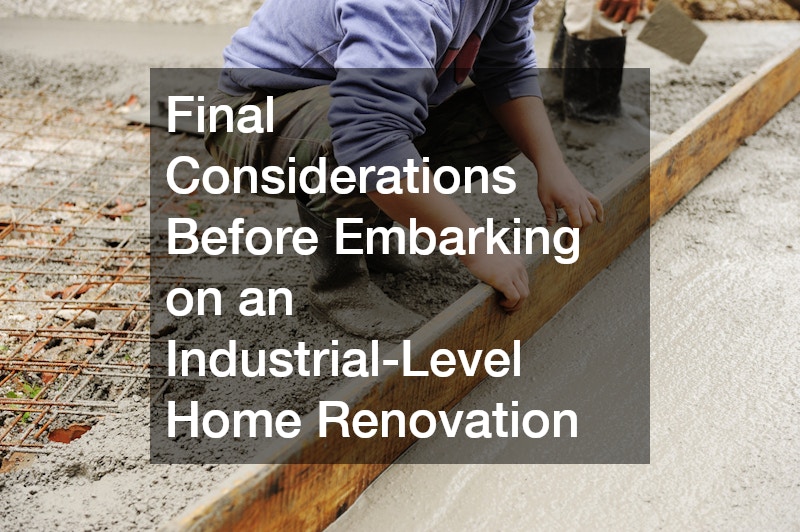
Planning is the bedrock of successfully completing a home renovation project of any scale. When escalating to an industrial-level renovation, however, planning takes on a paramount importance in terms of risk management and goal setting. It is crucial to align with experienced professionals in construction management to guide you through intricate processes.
Keeping communication channels open with contractors such as fire sprinkler service providers or water treatment specialists helps in understanding the necessary steps to completion and compliance with standards. This transparency ensures the project runs smoothly and stays on budget, without unforeseen setbacks.
Deciding whether to incorporate industrial-level services in your home renovation depends on carefully evaluating your specific needs, constraints, and aspirations. When done correctly, these extensive modifications can enhance both the functionality and style of your living space, making your home the ideal place to live for years to come.
Preparation for contingencies is also a pivotal aspect of large-scale renovations. Allocating resources for unforeseen occurrences or changes in project scope can be the difference between success and overwhelming obstacles. Anticipating these circumstances with backup plans allows for adaptability and reduces stress during the renovation process.
Reflecting on your long-term living plans can inform many renovation decisions. Whether you are preparing a home for increased family size or improving resale potential, understanding your future needs ensures your investment remains valuable. Through thoughtful and strategic preparation, industrial-level renovations can vastly improve living conditions and home aesthetics.