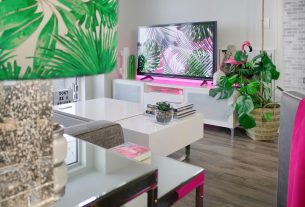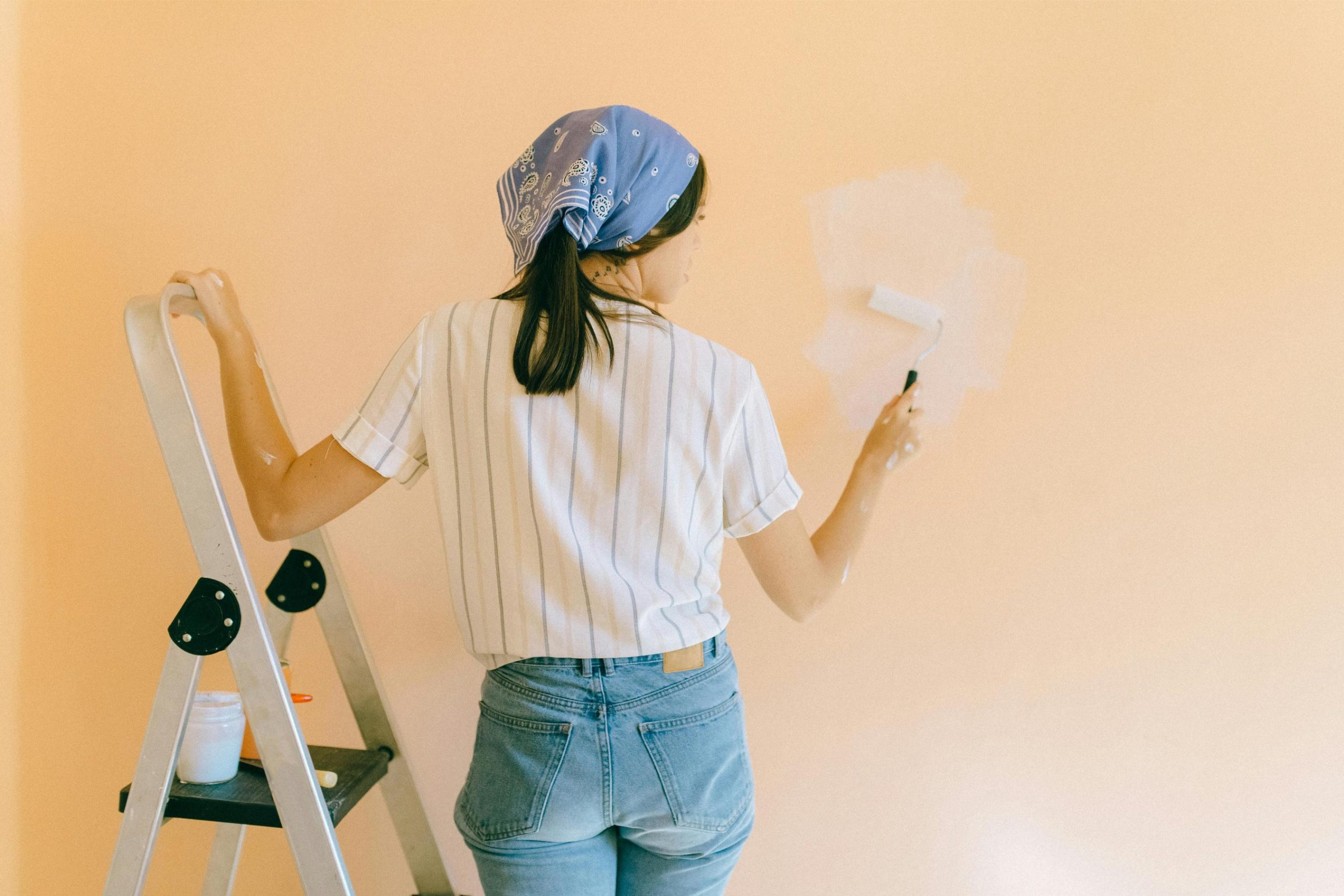
If you have a small room, you’ve probably wondered how to make it feel more open and less cramped. While furniture placement and lighting help, one of the most powerful tools you can use is color.
The right paint color can trick the eye, reflect light, and create the illusion of more space. The wrong color, on the other hand, can make a room feel even smaller than it really is.
In this guide, we’ll break down the best colors for making a room look bigger, why they work, and how to use them effectively in your home.
Why Color Matters in Small Spaces
Color affects how we see size, depth, and light. Lighter colors tend to reflect more light, making a space feel open and airy. Darker colors absorb light, which can make walls feel closer together.
But it’s not just about choosing light colors. The tone, finish, and how you use color throughout the room all play a role.
A smart color strategy can:
- Make walls appear farther apart
- Raise the visual height of ceilings
- Brighten dark corners
- Create a sense of flow and openness
Understanding these effects helps you make better design choices for small rooms.
Best Colors That Make a Room Look Bigger
1. Soft Whites
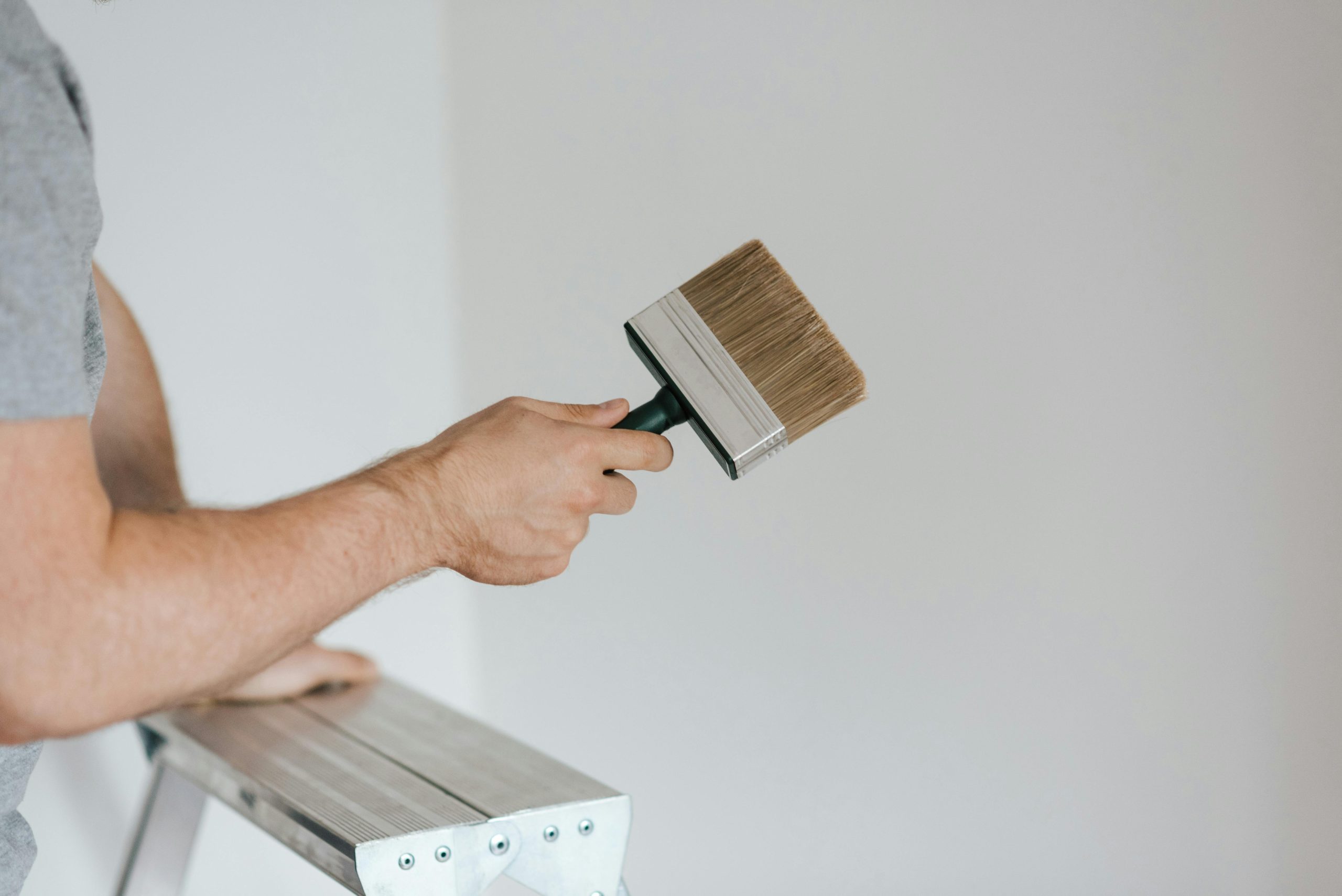
White is the most popular choice for small spaces—and for good reason.
Soft whites reflect light better than almost any other color. They make walls feel like they’re receding, which creates a more open look.
Why it works:
- Maximizes natural and artificial light
- Creates a clean, uncluttered feel
- Makes ceilings appear higher
Tips:
- Choose warm whites if your room lacks sunlight
- Use cool whites in bright, sunny spaces
- Avoid harsh, stark whites—they can feel too clinical
2. Light Neutrals
Light neutrals like beige, greige, and soft taupe are great alternatives to white.
They add warmth and depth while still keeping the space feeling open.
Why it works:
- Keeps the room light without feeling plain
- Pairs well with most furniture and decor
- Adds a cozy, inviting feel
Tips:
- Stick to lighter shades to maintain an airy effect
- Use similar tones for walls and trim for a seamless look
3. Pale Blues
Soft blue shades can make a room feel calm, airy, and more spacious.
Light blue mimics the sky, which naturally gives a sense of openness.
Why it works:
- Creates a peaceful, expansive feel
- Reflects light well
- Works especially well in bedrooms and bathrooms
Tips:
- Choose muted or pastel tones
- Avoid deep navy if your goal is to make the room feel bigger
4. Light Grays
Light gray is a modern favorite that works well in small rooms.
It offers a clean look without the starkness of white.
Why it works:
- Reflects light while adding subtle depth
- Feels contemporary and stylish
- Works with both warm and cool decor
Tips:
- Choose a gray with warm undertones to avoid a cold feel
- Pair with white trim for contrast
5. Soft Pastels
Pastel shades like pale green, blush pink, and lavender can also open up a space.
They add color without overwhelming the room.
Why it works:
- Keeps the space light and airy
- Adds personality without heaviness
- Works well in smaller bedrooms or creative spaces
Tips:
- Use pastels as main wall colors or accents
- Pair with neutral furniture for balance
Colors to Use Carefully in Small Rooms
Not all colors are off-limits, but some require a more thoughtful approach.
Dark Colors
Dark shades like charcoal, navy, or deep green can make a room feel smaller if used incorrectly.
However, they can still work if:
- Used on one accent wall
- Balanced with lighter furniture and decor
- Paired with good lighting
Bold Colors
Bright, bold colors can overwhelm a small space.
If you love bold hues:
- Use them in small doses (like an accent wall or decor)
- Balance with lighter tones
Paint Techniques That Make Rooms Look Bigger
Color choice is important, but how you use it matters just as much. Even the best color can fall flat if it’s not applied in a way that enhances the space. These simple paint techniques can help create the illusion of a larger, more open room without any major renovations.
1. Use a Monochromatic Color Scheme
Using different shades of the same color creates a smooth, continuous look that feels easy on the eyes. When there are fewer sharp contrasts, the room appears more open and less cluttered.
For example, you can use a light gray on the walls, a slightly darker gray for furniture or accents, and soft gray decor pieces to tie everything together. This layered approach adds depth without breaking up the space.
Tip: Stick to two or three shades within the same color family to keep the look cohesive without feeling flat.
2. Paint Walls and Trim the Same Color
Painting the trim the same color as the walls helps blur the edges of the room. Normally, contrasting trim creates visual borders that can make walls feel shorter or more confined.
When everything blends together, your eye moves more smoothly around the room. This creates a seamless look that makes the space feel larger.
Tip: Use a slightly different finish (like satin on walls and semi-gloss on trim) to add subtle contrast without changing the color.
3. Extend Wall Color to the Ceiling
Painting the ceiling the same color as the walls—or just one shade lighter—can make the ceiling feel higher. This technique removes the visual “cut-off” point where the wall meets the ceiling.
It works especially well in small rooms with low ceilings, where contrast can make the space feel boxed in.
Tip: For a softer effect, choose a lighter version of your wall color for the ceiling instead of stark white.
4. Use Vertical or Horizontal Illusions
Strategic use of lines and color placement can change how a room’s size is perceived.
- Vertical stripes or panels draw the eye upward, making ceilings feel taller
- Horizontal lines or color blocking stretch the space visually, making walls feel wider
These effects don’t have to be bold. Even subtle shifts in tone or finish can create the illusion without overwhelming the room.
Tip: Keep patterns simple and low-contrast to maintain an open, airy feel while still enhancing the room’s dimensions.
The Role of Paint Finish
Paint finish affects how light interacts with your walls.
Best finishes for small rooms:
- Eggshell or satin: Reflects light softly and hides imperfections
- Semi-gloss (for trim): Adds brightness and contrast
Avoid flat or matte finishes in very dark rooms, as they absorb light and can make the space feel smaller.
How Lighting Affects Color
Lighting can completely change how a paint color looks.
Natural light:
- Makes colors appear brighter and more true to tone
Artificial light:
- Warm bulbs can make colors look more yellow
- Cool bulbs can make colors look bluish
Tips:
- Test paint samples at different times of day
- Observe how light hits each wall
Choosing the right color means considering both paint and lighting together.
Coordinating Colors for a Bigger Feel
To make a room feel larger, aim for visual flow.
Keep transitions smooth:
- Use similar colors in adjacent rooms
- Avoid harsh contrasts between spaces
Match large elements:
- Walls, floors, and large furniture should work together
- Avoid too many competing colors
This creates a seamless look that makes your home feel more open overall.
Common Mistakes to Avoid
Even with the best intentions, some choices can make a small room feel tighter. Being aware of these common mistakes can help you avoid design decisions that work against your goal of creating a more open, spacious feel.
1. Using too many colors
Too many contrasting colors can break up the space visually and make the room feel busy. When your eye has to jump from one color to another, it creates a sense of clutter—even if the room is tidy.
In small spaces, simplicity works best. Sticking to a limited color palette helps create a smooth, cohesive look that feels more open.
Tip: Choose one main color and one or two supporting shades to keep the space balanced.
2. Choosing very dark ceilings
A dark ceiling can make a room feel smaller by visually lowering the height of the space. This can create a boxed-in feeling, especially in rooms that already have low ceilings.
While dark ceilings can look dramatic in large rooms, they often have the opposite effect in smaller spaces.
Tip: Stick to lighter ceiling colors or use a slightly lighter version of your wall color to create the illusion of height.
3. Ignoring undertones
Every paint color has an undertone, whether it’s warm, cool, or neutral. When undertones clash—like pairing a warm beige with a cool gray—the room can feel off without you knowing exactly why.
This subtle mismatch can disrupt the overall harmony of the space.
Tip: Compare paint samples side by side and check them under different lighting to make sure the undertones work well together.
4. Skipping paint samples
Paint colors often look very different on your walls than they do in the store or on a screen. Lighting, surrounding colors, and room size can all affect how a color appears.
Skipping this step can lead to disappointment and extra work later.
Tip: Test a few samples on your walls and observe them at different times of day before making a final decision.
Quick Color Ideas for Small Rooms
If you’re not sure where to start, here are a few simple combinations:
- Soft white walls + light wood furniture
- Pale gray walls + white trim + neutral decor
- Light blue walls + white accents
- Warm beige walls + soft lighting
These combinations are easy to work with and help create a spacious feel.
Final Thoughts
Choosing the right paint color can completely transform a small room. Light, soft shades like white, neutrals, and pastels help reflect light and create the illusion of more space.
But color alone isn’t the only factor. How you use it—along with lighting, finish, and coordination—plays a big role in the final result.
With the right approach, even the smallest room can feel open, bright, and inviting. A few thoughtful changes can make your space not only look bigger but also feel more comfortable and enjoyable to live in.