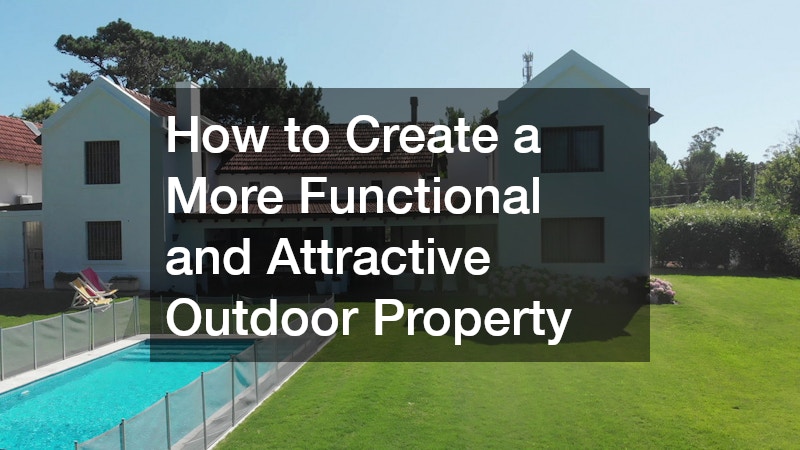
A well-designed outdoor property can do much more than improve curb appeal. Thoughtful exterior improvements can make a yard easier to maintain, create more comfortable areas for relaxing and entertaining, improve safety around the home, and help different parts of the property serve practical purposes. Whether the goal is to refresh an outdated landscape, create a more usable backyard, improve access to the home, or address ongoing maintenance concerns, a successful project begins with understanding how each element fits into the overall space.
Creating a functional and attractive property does not necessarily mean changing everything at once. In many cases, smaller improvements can make a noticeable difference when they are planned around the property’s existing layout, drainage, vegetation, traffic patterns, and intended uses. A homeowner may benefit from combining landscaping with hardscaping, improving pathways, addressing overgrown vegetation, or creating dedicated areas for recreation and relaxation.
The most effective outdoor projects balance appearance with practicality. Materials should complement the home’s style while standing up to local weather and everyday use. Trees and plantings should be positioned with their mature size in mind, while outdoor surfaces should provide stable, convenient areas for walking, parking, and gathering. By approaching the property as a connected system rather than a collection of individual projects, homeowners can create an exterior that looks better and works better for everyday life.
Evaluate How the Property Is Used
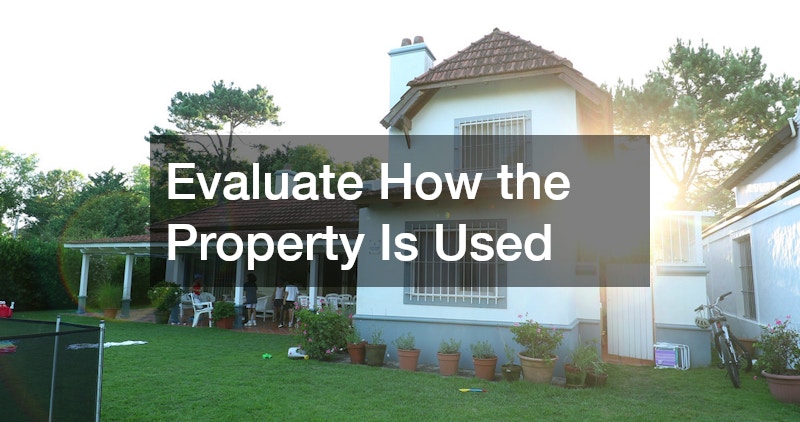
Before selecting materials, hiring contractors, or changing the landscape, take time to evaluate how the outdoor property currently functions. A beautiful design can still be frustrating if it does not accommodate the way household members actually use the space. Consider where people naturally walk, where vehicles enter and leave, which areas receive the most sunlight, and which portions of the yard tend to remain unused.
Start by identifying both the property’s strengths and its limitations. A large, open area might provide excellent space for entertaining, while a shaded corner could be better suited to a quiet seating area. Sloped sections may require additional planning for drainage or access, and areas beneath mature trees may have limitations for new plantings.
It can be helpful to make a simple list of priorities:
- Identify areas that are difficult to access.
- Note locations where water collects after rain.
- Consider where children or pets spend time outdoors.
- Determine whether additional seating or entertaining space is needed.
- Look for areas that require excessive maintenance.
- Identify features that need repair or replacement.
- Consider how the property may need to function in the future.
Thinking about these factors before beginning work can prevent expensive changes later. It also helps establish which improvements should be completed first. For example, drainage or grading concerns generally deserve attention before installing new landscaping or decorative surfaces.
Design Around the Landscape
Landscaping should complement the property’s natural characteristics rather than work against them. Before adding new plants, beds, borders, or decorative features, examine the amount of sun and shade different areas receive. Soil conditions, drainage, existing vegetation, and seasonal changes can all influence whether a landscape feature performs well over time.
Hardscape materials can also help define the structure of an outdoor space. Landscaping stone can be used to establish borders, create decorative beds, form pathways, or add visual contrast between different areas of the property. Choosing materials that complement the home’s exterior can make separate outdoor features appear more cohesive.
The scale of the materials matters as well. Large features can overwhelm a small yard, while very small decorative elements may disappear in a spacious property. Consider the proportions of the home, yard, walkways, patios, and plantings when selecting materials.
A cohesive landscape may incorporate:
- Defined planting beds around the home.
- Walkways connecting frequently used areas.
- Decorative borders that separate lawn from planting areas.
- Seating spaces positioned for comfort and convenience.
- Ground coverings that reduce exposed soil.
- Features that provide visual interest throughout different seasons.
The goal is not necessarily to fill every available area. Leaving some open space can make the property feel larger and provide flexibility for future uses.
Maintain Trees for Safety
Trees can be among the most valuable features on a property. Mature trees can provide shade, privacy, seasonal interest, and visual character. However, they also require ongoing attention to remain healthy and avoid becoming a safety concern. Dead branches, damaged limbs, excessive growth, and branches interfering with structures or utility areas can create problems if they are ignored.
A professional tree trimming service can help address branches that need to be selectively pruned. Proper trimming should take the tree’s structure and long-term health into consideration rather than simply removing as much growth as possible. Excessive or poorly planned pruning can potentially create additional problems, so homeowners should consider professional assistance when significant work is required.
Routine observation is also important. Look for changes such as:
- Dead or broken branches.
- Large limbs hanging over frequently used areas.
- Branches contacting roofs or exterior structures.
- Unusual leaning or structural changes.
- Visible damage following severe weather.
- Dense growth interfering with other trees.
- Signs that a tree may be declining.
Tree maintenance should be considered part of overall property maintenance rather than an occasional cosmetic project. Addressing concerns early may make it easier to manage trees before problems become more complicated.
Choose Professionals for Complex Tree Work
Some tree projects involve more than routine maintenance. Large trees, difficult access, significant structural concerns, and trees located near buildings may require specialized planning. Attempting complicated work without the appropriate equipment and experience can create unnecessary risks to people and property.
When significant work is necessary, homeowners may want to research a qualified tree company and ask questions about how the project will be approached. A professional evaluation can help determine whether a tree needs pruning, additional monitoring, or more extensive work.
For particularly complicated projects, it can also be useful to understand the role of a tree contractor. Tree work can involve specialized equipment, careful positioning, and an understanding of how branches and trunks respond to cutting. The right professional should be able to explain the proposed work and identify potential concerns before work begins.
When comparing professionals, consider asking:
- What specific work is recommended?
- Why is that work necessary?
- How will nearby structures and landscaping be protected?
- What equipment will be needed?
- How will debris be handled?
- Are there access limitations that could affect the project?
- What preparation is expected from the homeowner?
Clear communication can make complicated outdoor projects easier to plan.
Address Trees That Need Removal
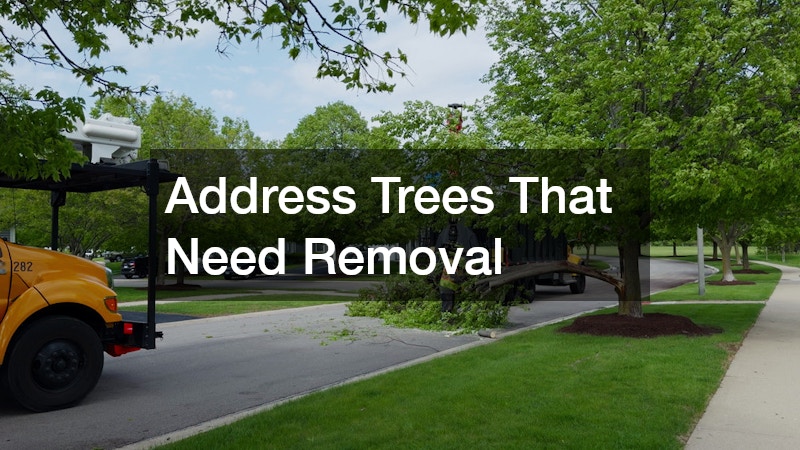
Although trees can contribute significantly to a property’s appearance, not every tree can or should remain indefinitely. A tree may become severely damaged, structurally compromised, diseased, or poorly positioned in relation to buildings and other property features. In those situations, removal may be considered as part of a broader property improvement plan.
Tree removals should be approached carefully, particularly when a tree is large or located near a home, driveway, fence, or other structure. Removing a tree involves more than cutting the trunk. The direction of falling limbs, surrounding obstacles, equipment access, and cleanup all need to be considered.
Before removing a tree, homeowners can evaluate:
- Whether the tree is creating a current safety concern.
- Whether pruning could reasonably address the problem.
- How removal would affect nearby landscaping.
- Whether the remaining space could serve another purpose.
- How the stump and root area will be handled.
- Whether removal could alter shade or privacy.
Once a tree is removed, the newly available space can become an opportunity. Depending on the property’s needs, it could be converted into a planting area, lawn extension, seating zone, pathway, or another functional feature. Planning the replacement use before removal can help ensure that the project contributes to the property’s overall design.
Create Low-Maintenance Lawn Areas
A lawn can provide a comfortable, open surface for recreation, pets, entertaining, and everyday outdoor activities. However, traditional grass can require regular mowing, watering, fertilizing, and other maintenance. Homeowners who want a consistently neat appearance without the same routine care may consider alternative surfaces.
An artificial turf service can help homeowners evaluate installation options for areas where synthetic grass may be appropriate. The suitability of artificial turf depends on factors such as drainage, intended use, existing ground conditions, and the design of the surrounding landscape.
Artificial turf can be particularly useful in areas where maintaining natural grass is difficult. It can create a consistent surface for certain recreational or decorative applications while reducing some routine lawn maintenance.
When planning a synthetic lawn area, consider:
- How the space will be used.
- Whether children or pets will regularly occupy the area.
- How water will drain from the surface.
- How the surrounding landscape will transition into the turf.
- Whether nearby trees may affect the area with roots or falling debris.
- How the finished surface will complement the home’s exterior.
The best results come from treating the lawn as one component of the larger landscape.
Improve Hardscape Connections
Hardscaping provides the structural framework that connects different areas of an outdoor property. Walkways, patios, retaining features, steps, borders, and other constructed elements can make a yard easier to navigate while adding visual definition.
Material selection is particularly important. Homeowners should consider durability, maintenance, drainage, appearance, and compatibility with existing features. The right materials can create a consistent visual language throughout the property.
Working with a masonry supply company can provide access to materials suitable for different outdoor applications. Whether a project involves a walkway, retaining feature, patio, wall, or decorative element, selecting materials that coordinate with one another can make the entire property feel more intentional.
Before purchasing materials, think about:
- The color and texture of the home’s exterior.
- Existing pavement and landscape materials.
- Expected foot traffic.
- Exposure to weather.
- Drainage requirements.
- Maintenance expectations.
- The scale of the installation.
Hardscape features should also be designed with comfortable movement in mind. A pathway that looks attractive but is difficult to navigate will not contribute as much to the property’s functionality. Good outdoor design considers how people will actually move through the space.
Upgrade Driveway Access
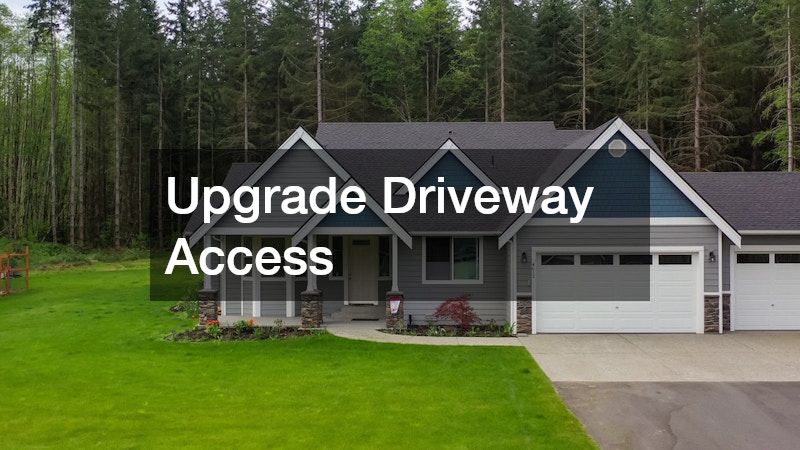
A driveway is one of the most heavily used exterior features on many residential properties. It provides access for household vehicles, visitors, deliveries, and service providers, while also contributing substantially to the property’s first impression. Cracking, poor drainage, uneven surfaces, or an outdated design can affect both appearance and usability.
When a driveway needs substantial work, a driveway contractor can help evaluate the existing surface and determine what improvements may be appropriate. The project may involve repairs, replacement, grading, drainage considerations, or changes to the driveway’s layout.
Function should remain the primary consideration. A driveway needs sufficient space for vehicles to enter, exit, park, and maneuver without unnecessarily interfering with landscaping or pedestrian areas.
Homeowners should consider:
- How many vehicles regularly use the driveway.
- Where visitors typically park.
- Whether water drains properly from the surface.
- Whether the current layout creates difficult turning movements.
- How the driveway connects to walkways.
- Whether landscaping is interfering with vehicle access.
- How the finished surface will complement the home.
A well-planned driveway can make daily routines easier while creating a cleaner transition between the street and the home.
Manage Wildlife Around the Property
Wildlife can be a natural part of an outdoor environment, but animals can become problematic when they enter structures, damage landscaping, disturb gardens, or create hazards. Preventing recurring issues often requires understanding why animals are attracted to a particular property in the first place.
Professional wildlife control may be appropriate when animals repeatedly enter unwanted areas or when identifying and addressing access points is difficult. Effective management should focus on the specific circumstances rather than relying on a one-size-fits-all approach.
Homeowners can also make the property less attractive to unwanted wildlife by addressing common attractants:
- Secure household garbage and food waste.
- Avoid leaving pet food outdoors.
- Keep fallen fruit from accumulating.
- Maintain vegetation around structures.
- Inspect potential entry points around buildings.
- Keep outdoor storage areas organized.
- Address damaged fencing or other access points.
Wildlife considerations should be incorporated into landscape planning from the beginning. Dense vegetation, food sources, standing water, and accessible shelter can all influence how animals interact with a property. Designing with these factors in mind can help reduce conflicts while still allowing the yard to support desirable natural features.
Combine Improvements Into One Plan
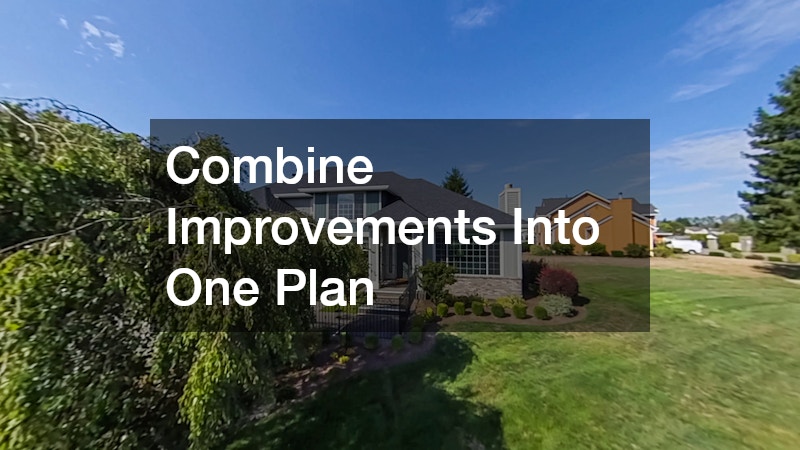
Outdoor improvements tend to work best when they are planned together. A new driveway may affect drainage. Tree removal may create room for a lawn or patio. New pathways may need to connect to existing entrances. Landscaping changes may need to account for irrigation, maintenance, or future construction.
A practical planning process can include:
- Establish the property’s primary goals.
- Identify safety and structural concerns first.
- Determine which areas need improved access.
- Consider drainage before installing new surfaces.
- Plan tree work before planting beneath or around trees.
- Select materials that coordinate across multiple areas.
- Set a realistic maintenance level.
- Divide larger projects into manageable phases.
- Consider how each improvement will affect future projects.
Creating a more functional and attractive outdoor property starts with thoughtful planning rather than simply adding individual features. The most successful improvements consider how people use the space, how different materials work together, and how outdoor features will perform over time. A property should be comfortable to navigate, practical for everyday activities, and visually connected from one area to another.
Maintenance should also remain part of the decision-making process. A feature that looks appealing but requires more upkeep than a homeowner can reasonably manage may not be the right choice. Similarly, trees, lawn areas, hardscaping, driveways, and other exterior elements should be selected and positioned with their long-term needs in mind.
By evaluating the existing property, prioritizing important concerns, and planning improvements as parts of one larger design, homeowners can make meaningful changes without losing sight of functionality. Whether the project involves refreshing a small portion of the yard or coordinating a major exterior transformation, careful preparation can help create an outdoor environment that is attractive, useful, and better suited to everyday life.