
Hidden water damage is one of the most insidious problems that small home and apartment dwellers can face. Because compact living spaces have walls, floors, and ceilings packed tightly together, even minor leaks can quickly escalate into major problems. Water can seep behind walls, under flooring, or into cabinets without being immediately noticed, leading to mold growth, structural damage, and costly repairs.
The challenge is that many of these spaces have limited access points to plumbing systems, making it harder to spot issues before they become severe. Proactive maintenance and regular inspections are essential for protecting your home and your health. By following a few practical strategies, even renters and small homeowners can significantly reduce the risk of hidden water damage.
Inspect Vulnerable Areas Regularly
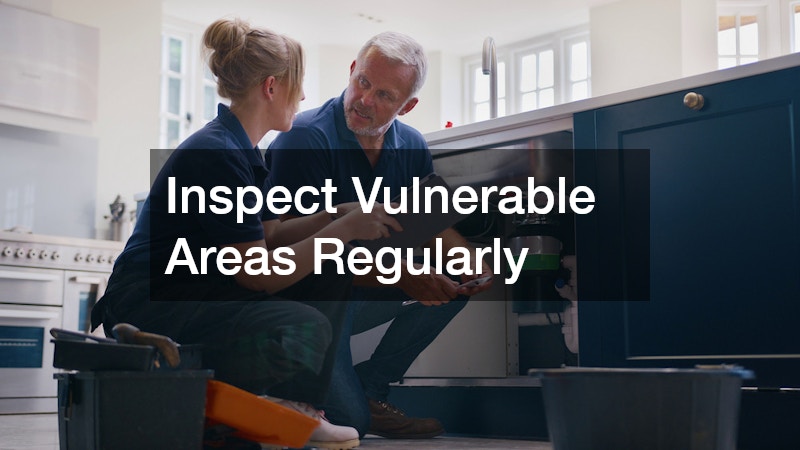
Water damage often begins in places that are rarely seen. Cabinets under sinks, laundry areas, behind dishwashers, and around HVAC units are all common trouble spots. Even small leaks can cause significant damage if left unattended for weeks or months. To stay ahead, visually inspect these areas at least once a month. Look for signs of discoloration, warping, or musty odors, which may indicate slow leaks.
Moisture meters or touch tests can help detect dampness behind walls or under flooring. These tools are especially useful in compact living spaces where visual inspection alone may not be enough. Pay particular attention to areas near water heaters, washing machines, and bathroom plumbing, as these spots are prone to gradual leaks that go unnoticed.
Maintain Efficient Drainage Systems
Slow or clogged drains may appear to be a minor annoyance, but in compact living spaces, they can quickly lead to hidden water damage if left unaddressed. Kitchen sinks, bathroom sinks, and floor drains are often the first to experience blockages, and small overflows can seep into cabinets, under flooring, or behind walls before anyone notices. Regularly clearing debris, grease, and hair from drain openings helps prevent accumulation and maintains proper water flow. Residents can also schedule periodic checks of all drain outlets and observe how quickly water moves through them, which can help identify slow-draining areas before they escalate into more serious problems.
Using a safe, non-corrosive sewer cleaner on a scheduled basis can support smooth drainage while reducing the risk of backups. For small apartments or homes, it’s important to select products designed for limited plumbing systems, as harsh chemicals can damage older or narrow pipes. In addition to chemical maintenance, installing strainers or mesh guards in sinks, showers, and floor drains can effectively catch debris before it enters the plumbing system. These simple preventative measures reduce the frequency of clogs, extend the life of the plumbing, and help protect the home from water damage that often remains hidden behind walls or under floors in tight living spaces.
Know When to Call a Professional

Even with regular inspections and careful maintenance, certain water issues in small homes and apartments require professional intervention. Persistent leaks, unusually slow drains, gurgling pipes, or strange odors often signal underlying problems that are difficult to identify without expertise. In compact living spaces, plumbing systems are often more tightly packed, making it easy for minor issues to remain hidden until they cause significant damage. Recognizing when a problem exceeds basic DIY maintenance and calling a professional promptly can save both time and money, while preventing structural damage, mold growth, and disruption to daily life.
Local plumbers are an essential resource for addressing these hidden water risks. They have the training, tools, and experience to quickly assess the situation, pinpoint the source of leaks, and implement repairs safely and efficiently. In addition to resolving immediate problems, a skilled plumber can provide preventive guidance, such as advising on routine maintenance, drain care, or leak detection strategies tailored to small-space homes. Choosing a professional familiar with compact plumbing systems ensures that hidden leaks and potential water damage are managed effectively, reducing the likelihood of costly emergency repairs and preserving the integrity of the home.
Leverage Advanced Inspection Tools
In small homes and apartments, certain leaks or pipe issues can remain completely hidden without the aid of specialized diagnostic tools. Sewer line camera inspections allow technicians to see inside pipes and drains, detecting cracks, blockages, corrosion, or misaligned joints that may otherwise go unnoticed. This type of inspection is particularly valuable for older buildings with aging plumbing, multi-unit structures where access is limited, or properties with complex layouts. By identifying these problems early, property owners can prevent minor leaks from developing into serious water damage that compromises walls, floors, or foundations.
Incorporating sewer line camera inspections into a regular maintenance routine ensures small-space dwellers can catch potential plumbing issues before they escalate. Homeowners and renters can schedule inspections periodically, during property turnover, or when unusual signs—such as slow drainage or unpleasant odors—appear. Early detection using this technology not only saves time and money on repairs but also helps maintain a safe and healthy living environment. For compact homes and apartments, this proactive approach is a crucial step in preventing hidden water damage that might otherwise remain undetected until it becomes a major problem.
Schedule Regular Plumbing Maintenance
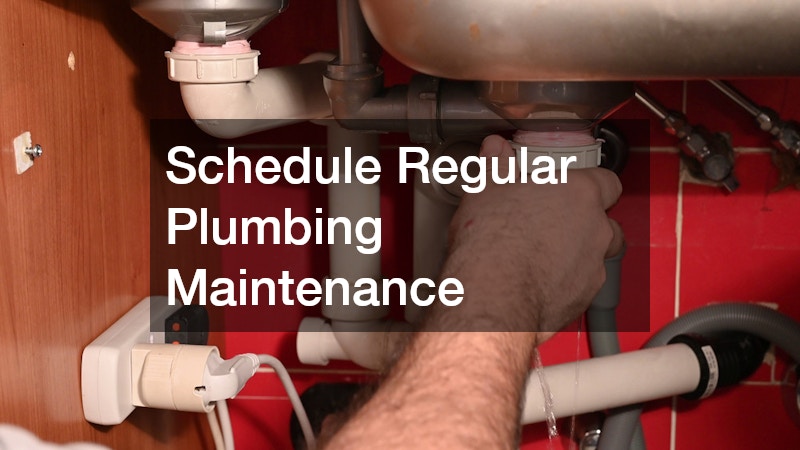
Preventing hidden water damage goes beyond simply addressing leaks as they appear—it requires establishing a consistent and proactive maintenance routine. Regularly inspecting faucets, showerheads, pipe joints, and connections to appliances like washing machines and dishwashers allows homeowners and renters to identify potential issues before they escalate. Creating a monthly checklist can help track signs of corrosion, water pooling, rust stains, or unusual sounds such as gurgling or hissing in the plumbing lines. Even minor irregularities caught early can prevent structural damage, mold growth, and costly repairs that are especially problematic in compact living spaces.
Engaging residential plumbing services as part of this routine adds an extra layer of protection. Professional technicians can perform comprehensive maintenance, including cleaning drains, testing water pressure, evaluating pipe integrity, and addressing minor repairs before they become major issues. Scheduling these services regularly helps ensure that all systems are functioning optimally, reducing the likelihood of emergency situations. Preventive care is particularly important in apartments or condos, where a single plumbing failure can affect multiple units, creating costly repairs and inconveniences for neighbors. By combining routine self-checks with professional maintenance, small-space dwellers can safeguard their homes and avoid hidden water damage.
Understand When to Hire a Contractor
Some plumbing issues extend beyond routine maintenance and require the skills of a licensed plumbing contractor. Major leaks, improperly installed pipes, corroded connections, or persistent water pressure problems can create hidden damage that spreads quickly in compact living spaces. Attempting these complex repairs without the proper knowledge or tools can not only worsen the problem but may also violate rental agreements or building codes, leading to additional costs and liability. Early recognition of situations that need professional intervention is key to preventing small issues from turning into extensive structural or water damage.
Hiring a plumbing contractor with experience in compact homes or apartments ensures that repairs are performed efficiently, safely, and with minimal disruption. Contractors can navigate the unique challenges of tight spaces, such as limited access to pipes, low ceilings, or shared plumbing systems, while coordinating with property management or neighbors when necessary. Beyond immediate repairs, they provide valuable guidance for long-term prevention, including proper maintenance schedules, leak detection strategies, and suggestions for upgrades that reduce the risk of future problems. Their expertise is essential for protecting the home from hidden water damage that may not be obvious until significant issues arise.
Care for Your Septic System
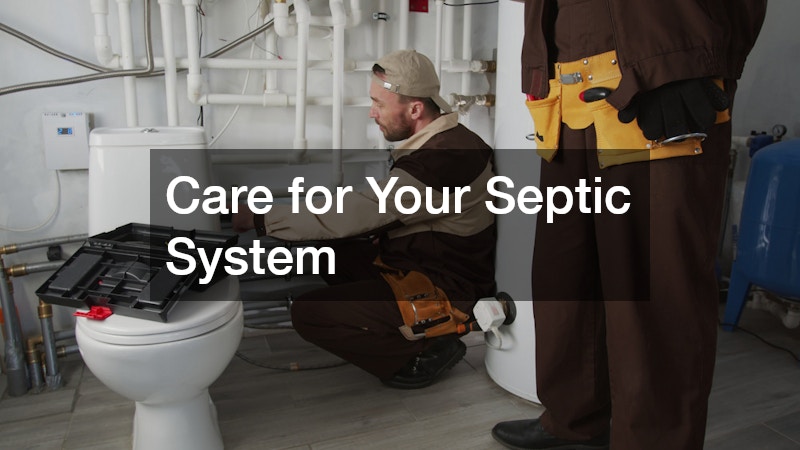
For small homes that rely on septic systems, proactive maintenance is essential to prevent hidden water damage and costly repairs. Leaks, blockages, or backups in a septic system can infiltrate the foundation, seep into crawlspaces, or saturate surrounding soil, creating serious structural and health risks. Homeowners should regularly monitor the system for signs of trouble, including slow-draining sinks and toilets, foul odors near the tank or drain field, and unusually soggy or discolored patches in the yard. Paying close attention to these warning signs allows issues to be addressed.
Septic tank repairs are sometimes unavoidable, especially when the tank develops cracks, baffles are damaged, or the drain field is compromised. Prompt intervention is crucial, as even minor problems can quickly escalate into major water damage events if left unaddressed. Small-home owners can significantly reduce long-term costs by familiarizing themselves with the basics of septic maintenance, scheduling regular inspections, and acting quickly when issues arise. Understanding how the system works and knowing when to call a professional ensures that the septic system continues to function efficiently, protecting both the home and the surrounding property.
Use Professional Septic Services Wisely
Routine inspections by qualified professionals are essential for maintaining small septic systems and preventing hidden water damage. Scheduling septic tank services allows trained technicians to thoroughly evaluate the tank’s structure, check for cracks or corrosion, and assess the condition of the drain field. They can identify early signs of potential problems, such as uneven settling, clogging, or soil saturation, that may not be obvious to homeowners. By detecting these issues early, property owners can prevent leaks from seeping into basements, crawlspaces, or nearby walls—problems that can be expensive and disruptive to repair in compact living spaces.
Professional septic services often provide detailed inspection reports and recommended maintenance schedules tailored to the specific system and household usage. Following these recommendations helps ensure the septic system operates efficiently, reduces the risk of backups, and keeps water damage at bay. Even small homes with limited yard or outdoor space benefit from consistent oversight, as regular professional attention helps maintain proper function, protects landscaping, and prolongs the life of the septic system. With proactive care, homeowners can avoid emergency repairs and maintain a safe, healthy living environment.
Keep Septic Tanks Clean and Functional
Septic pumping is an essential preventive step for compact homes with on-site wastewater systems. Regularly removing accumulated solids from the tank prevents blockages that can lead to backups, protects pipes and fittings from corrosion, and reduces the risk of leaks that could seep into surrounding soil or the foundation. Neglecting pumping can result in costly repairs, unpleasant odors, and potential health hazards, making it a critical part of small-home maintenance. Homeowners should track usage patterns, consider household size, and account for the tank’s capacity when planning a pumping schedule. Many small homes benefit from having the system reviewed and pumped every two to three years, though high-usage households may require more frequent attention.
Monitoring your septic system for early warning signs is just as important as scheduling routine pumping. Slow drains, persistent sewage odors, wet or soggy areas near the tank, or unusual gurgling sounds in plumbing fixtures can all indicate that the tank is full or functioning improperly. Promptly scheduling septic pumping when these signs appear ensures that the system can handle wastewater efficiently, minimizing the risk of contamination or hidden water damage. Proper maintenance not only extends the lifespan of the septic system but also safeguards the home’s structural integrity, protects landscaping, and reduces the likelihood of disruptive emergency repairs.
Address Plumbing Issues Promptly
Even minor leaks or dripping faucets can escalate into serious water damage if ignored. Residents should take immediate steps to contain leaks and document the problem. Temporary fixes like shutting off valves or using repair tape can prevent further damage until professional help arrives.
Plumbing repair services handle these issues comprehensively, from replacing damaged pipes to correcting faulty fittings. Addressing problems quickly reduces the risk of mold, mildew, and structural deterioration. For small-space dwellers, prompt action minimizes disruption, ensures safety, and preserves both property and personal belongings.
Hidden water damage is a silent threat in apartments, condos, and small homes, but with vigilance and proactive maintenance, it can be largely prevented. By routinely inspecting vulnerable areas, maintaining drainage systems, leveraging professional services, and addressing issues promptly, residents can protect their homes from costly and disruptive damage.
Compact living spaces require particular attention because leaks can spread quickly and remain undetected. A consistent preventive routine, awareness of plumbing system needs, and timely professional support are the keys to avoiding hidden water damage. Taking these steps ensures peace of mind, a safer environment, and long-term savings for homeowners and renters alike.