
The success of a major construction project is rarely determined solely by what happens after the building crew arrives on site. Instead, the ultimate outcome, timeline, and financial health of a build are heavily decided by how thoroughly you prepare your property before the first shovel hits the dirt or the first hammer is swung. Undertaking a substantial renovation, addition, or ground-up build is an incredibly complex financial and emotional investment. Without meticulous foresight and deliberate site preparation, homeowners frequently find themselves facing cascading project delays, structural surprises, preventable property damage, and ballooning hidden fees.
Transforming what could be a chaotic, overwhelming construction process into a smooth, predictable, and highly efficient operation requires a structured approach. Approaching site preparation systematically allows you to mitigate risks, protect your existing assets, and establish an optimal working environment for your building crews. This comprehensive guide provides an in-depth roadmap designed to help you ready your land, structures, mechanical utilities, and neighborhood logistics for heavy development, ensuring your upcoming project starts on the strongest possible foundation.
Initial Site Clearing and Assessing the Terrain
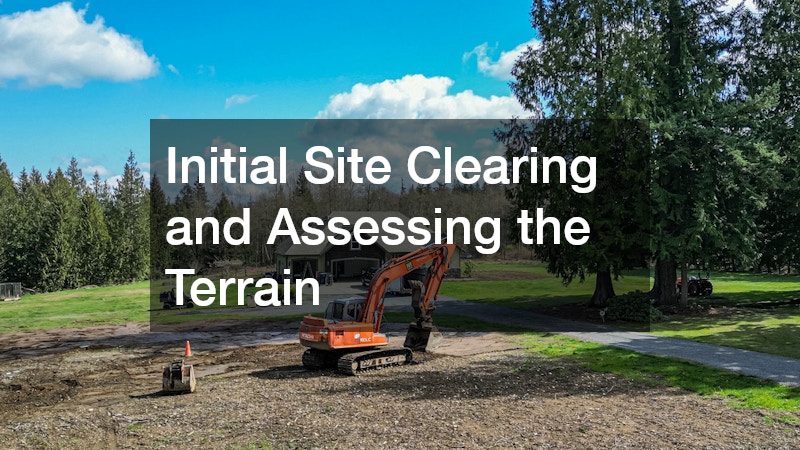
Before any structural blueprints can transition into physical realities, the raw terrain of your property must be critically evaluated and physically cleared. Overgrown vegetation, undocumented boulder formations, and invasive root systems pose significant threats to foundations, underground utilities, and structural footprints. Skipping a comprehensive land assessment can result in machinery striking hidden obstacles, which instantly stalls your timeline and introduces unexpected structural expenses.
Navigating local environmental laws and zoning regulations is the mandatory first step of this phase. Many municipalities require specific permits for tree removal, slope alteration, and erosion control measures before any heavy machinery can legally enter the property. Identifying protected tree species, establishing setbacks from wetlands, and installing mandatory silt fencing ensure your project remains fully compliant with local building departments, preventing costly stop-work orders.
To transform an overgrown plot into a highly functional workspace, you must engage specialized professionals early in the schedule. Utilizing expert land clearing services allows you to efficiently remove thick brush, dead trees, and obstructive surface debris, creating clean sightlines and unmistakable boundaries for your architectural and engineering teams. Once the surface vegetation is systematically cleared, a professional excavation contractor can step in to analyze subsurface soil stability, determine the depth of the local water table, and begin outlining the necessary earthmoving strategies required to support a long-lasting, structurally sound foundation.
To ensure this initial phase proceeds flawlessly, consider the following actionable site steps:
- Physically stake out and clearly flag your exact property lines using high-visibility tape to prevent accidental encroachment on neighboring plots.
- Identify and protect desirable mature trees that you wish to preserve by installing robust protective fencing around their entire root drip zones.
- Arrange for a certified arborist to prune overhanging limbs that could obstruct high-profile construction vehicles entering the site.
- Establish a clear, level perimeter around the future building footprint to allow surveyors unobstructed access for precise structural layout mapping.
Preparing the Earth and Managing Major Earthworks
Once the surface of your property is cleared of obvious obstructions, the focus must shift to the literal foundation of your project: the earth itself. Proper grading and earthwork management are vital to the long-term survival of any structure. Altering the natural slope of your land ensures that rainwater and surface runoff are permanently directed away from your future foundation, preventing hydrostatic pressure from causing basement leaks, soil erosion, and structural shifting over time.
Managing a site during extensive earthmoving requires careful logistical coordination to handle the massive machinery required for the job. The sheer weight of heavy construction equipment can cause severe soil compaction, crack underground sewer lines, and destroy delicate landscape features if traffic patterns are not strictly controlled. Before these large vehicles arrive, you must map out explicit entry, exit, and turning paths that avoid sensitive areas of your property altogether.
The actual process of excavating demands a scientific approach to soil layers and weight distribution. Removing large volumes of earth alters the structural integrity of the surrounding land, requiring precise slope stabilization and subgrade compaction. To support these operations without turning your property into a muddy, impassable marsh, you should implement the following site-stabilization strategies:
- Designate a highly stable staging zone topped with thick gravel or heavy timber mats to support heavy vehicles during extended staging periods.
- Contact your local utility notification center (such as Call 811) at least several days before digging to locate and clearly mark all buried electrical, gas, and communication lines.
- Plan a dedicated storage area on site for stockpiling clean topsoil, which can be reused for final landscaping once construction concludes.
- Implement temporary drainage swales or retention ponds to manage stormwater runoff effectively during the active digging phases.
Disassembling Existing Structures and Clearing the Footprint
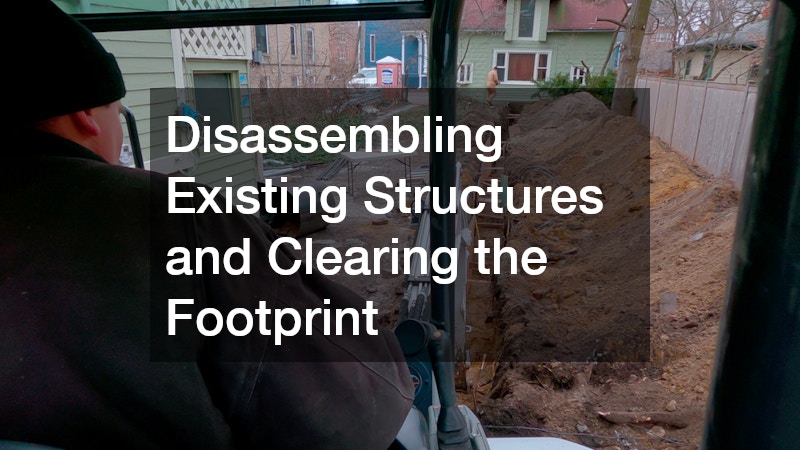
Many major construction projects do not begin on entirely vacant lots; instead, they require the removal or partial modification of existing structures. Whether you are tearing down a dilapidated detached garage, removing an old concrete patio, or gutting an outdated wing of your home, safety-first disassembly is paramount. Failing to properly isolate and decommission old structures before active teardown can result in catastrophic utility accidents and severe structural damage to remaining sections of your home.
Before any physical teardown begins, you must execute a comprehensive hazardous materials sweep. Older homes frequently contain hidden liabilities such as asbestos insulation, lead-based paint, or underground storage tanks that require certified environmental remediation. Additionally, you must formally coordinate with your utility companies to ensure that live electrical feeds are safely disconnected, gas mains are securely capped, and main water valves are isolated before any structural elements are compromised.
To manage this high-risk phase with absolute precision, you should enlist professional demolition services to safely dismantle unwanted structures, break up stubborn concrete slabs, and efficiently haul away heavy debris without disrupting the surrounding landscape. Once the site is completely cleared of legacy structures and unmanageable waste, your primary remodeling contractor can seamlessly step in to assume control of the pristine footprint, aligning their building crews and starting the framing phase in accordance with your approved architectural plans.
To ensure a highly organized and safe teardown process, prioritize these preparatory steps:
- Erect rigid dust-containment barriers and heavy plastic zip-walls if you are isolating a specific demolition zone from an inhabited section of the house.
- Coordinate a clear waste-management strategy by securing permits for large roll-off dumpsters and placing them in easily accessible locations.
- Implement a material-salvaging workflow to separate recyclable metals, structural timbers, and reusable fixtures, reducing your overall landfill fees.
- Secure all necessary structural permits specifically required for structural dismantling and disposal before work commences.
Securing and Updating the Building Envelope
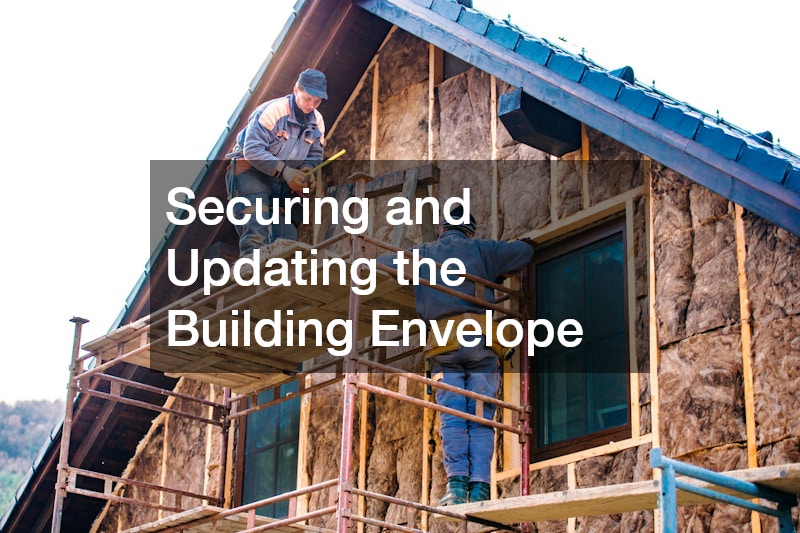
When construction involves expanding or modifying an existing home, protecting the un-renovated portions of the building envelope from the elements becomes a critical priority. Major construction frequently leaves structural interiors vulnerable to unpredictable weather patterns. A sudden rainstorm hitting an exposed, unprotected roof or a breached exterior wall can cause thousands of dollars in water damage, ruin finished drywall, and encourage rapid mold growth.
Before your main construction crew begins opening up walls or altering the roofline, you must evaluate the structural integrity of your existing overhead protection. It is incredibly beneficial to schedule a comprehensive pre-construction inspection with a qualified local roofing contractor. These specialists can identify pre-existing weak spots, reinforce aging trusses, and patch minor leaks before the added vibrations and structural shifts of heavy construction exacerbate those hidden vulnerabilities.
Beyond weatherproofing, securing the building envelope involves establishing strict containment boundaries between active work zones and pristine living areas. Construction dust is exceptionally fine and can easily travel through small gaps, settling into carpets, upholstery, and electronics across your entire home. Implementing aggressive physical barriers is the only way to maintain indoor air quality and protect your household possessions from fine airborne particulates.
Consider implementing these specific protective measures to safeguard your building envelope:
- Apply heavy-duty adhesive plastic protection films to all high-traffic interior floors and hardwood thresholds along the path of construction.
- Seal off all interior doorways leading from the construction zone with thick, commercial-grade polyethylene sheeting and heavy-duty zippers.
- Ensure your roofing professional has large, industrial-grade tarps and securing batten strips readily available on-site to quickly weatherproof exposed rafters during sudden storms.
- Temporarily remove all delicate wall decorations, mirrors, and valuable electronics from rooms adjacent to the construction zone to protect them from structural vibrations.
Safeguarding and Preparing Mechanical Systems
The mechanical infrastructure of your home—comprising heating, ventilation, air conditioning, and plumbing—requires specialized protection and strategic modification before major construction begins. Construction environments are inherently hostile to sensitive mechanical equipment. Airborne drywall dust, sawdust, and concrete particulates can easily bypass standard fiberglass air filters, settling deep within expensive mechanical components and causing premature system failure.
To prevent permanent damage to your climate control systems, you must take proactive steps to isolate your equipment from active work zones. It is wise to consult a certified HVAC company to temporarily seal off your return air vents, isolate zone dampers, or implement industrial-grade bypass filtration solutions during high-debris phases of the build. In some cases, it may even be necessary to completely shut down your central climate control system and rely on portable heating or cooling units to protect your primary system from cross-contamination.
Simultaneously, your home’s water infrastructure must be carefully mapped and secured before any structural alterations occur. Accidentally piercing a pressurized water pipe or an old drain line can result in immediate, catastrophic flooding that instantly derails your project budget. Engaging a licensed plumbing contractor to locate, label, and safely reroute existing water lines ensures that your utility infrastructure remains completely safe and functional throughout the entire build.
To safeguard your vital mechanical systems effectively, follow this preparation checklist:
- Create a master map of all main utility shut-off valves, including water, gas, and electricity, and ensure these locations are clearly marked for the construction crew.
- Install high-efficiency particulate air (HEPA) filters on any active ventilation systems and replace them frequently throughout the construction timeline.
- Have your plumbing professional install temporary exterior water spigots and wash stations specifically dedicated for construction worker use.
- Physically shield exterior air conditioning condenser units with breathable, protective canvas covers to prevent heavy construction dust from clogging the delicate cooling fins.
Managing the Final Aesthetics and Neighbor Relations

The final phase of preparing your property for major construction involves looking beyond the immediate physical boundaries of your home and considering the broader logistical environment. Major construction invariably introduces noise, increased traffic, heavy deliveries, and airborne dust that can easily impact your surrounding community. Proactively managing neighbor relations and planning for the final aesthetic phases of your project can prevent unpleasant neighborhood disputes and ensure a smooth path to completion.
Long before the heavy trucks arrive, it is highly recommended to establish open communication with your immediate neighbors. Providing them with a clear overview of your project timeline, expected working hours, and potential parking disruptions demonstrates respect and defuses frustration before it can start. Maintaining a transparent communication log allows you to address any neighborhood concerns, such as temporary street blockages or shared fence adjustments, collaboratively and efficiently.
As you coordinate the complex logistical schedule, you must also look ahead to the final finishing touches that will ultimately define your home’s visual appeal. While structural work is occurring, you should begin vetting professional painting companies to handle the interior and exterior coatings once the heavy dust has settled. Because high-quality finishes require an entirely clean, dust-free environment to adhere correctly, scheduling these aesthetic experts must be timed perfectly with the conclusion of major structural work.
To manage neighbor relations and final aesthetic preparations seamlessly, implement these practices:
- Distribute a polite notification letter or email to adjacent neighbors detailing the project start date, expected duration, and direct contact information for your project manager.
- Establish clear on-site parking boundaries to ensure construction vehicles do not block neighbor driveways, mailboxes, or local trash collection routes.
- Confirm that your building crew adheres strictly to municipal noise ordinances, limiting heavy machinery operation to approved daytime hours.
- Secure a clean, dust-controlled storage area on site to hold finish materials, such as paint cans, trim work, and delicate wallpapers, until the structure is ready for final finishes.
Conclusion
Preparing your property for major construction is a vital investment that pays substantial dividends in the form of saved time, protected budgets, and reduced personal stress. By methodically clearing your land, grading the terrain, safely dismantling old structures, and safeguarding your mechanical utilities, you lay the indispensable foundation for a successful, high-quality build. These proactive preparation steps eliminate the common pitfalls that frequently plague uncoordinated construction projects, allowing your building professionals to work with maximum efficiency and safety. Ultimately, taking the time to thoroughly prepare your site transforms the complex, high-stakes process of construction into a rewarding journey of structural transformation, moving you confidently toward the successful realization of your dream property.