Small space living is having a major structural moment. From urban micro-apartments and cozy townhomes to meticulously designed tiny houses, shrinking your physical footprint expands financial and mental freedom. However, compact living introduces a unique paradox. While there is physically less square footage to clean, any minor maintenance failure is immediately magnified. A broken appliance, a clogged pipe, or an inefficient climate control system cannot be ignored when it exists just a few feet from your bed or workspace. In a small space, a minor inconvenience quickly turns into a domestic crisis.
The secret to thriving in a limited footprint lies in transitioning from reactive chores to proactive, automated systems. By integrating modern smart home upgrades with strategic property maintenance, you can build a living environment that practically cares for itself. This shift requires combining internet-of-things technology, durable material choices, and timely professional expertise. When your home can self-diagnose issues, optimize energy consumption, and alert you to hidden problems before they escalate, maintenance becomes completely effortless. Learning how to optimize every square inch of your home ensures your compact haven remains a sanctuary of high efficiency rather than a source of high stress.
Optimizing Micro-Climates and Airflow Efficiency
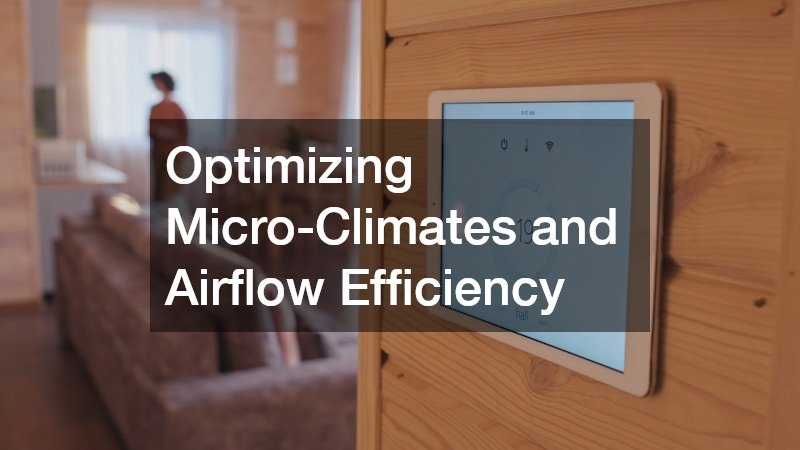
Compact living spaces are incredibly sensitive to rapid temperature swings. Because the total volume of air within the home is small, simple daily activities like cooking, running a computer, or welcoming guests can cause the indoor temperature to spike or drop dramatically. Standard heating and cooling systems often struggle to maintain a comfortable equilibrium in these environments, leading to short-cycling. Short-cycling happens when an HVAC unit turns on and off rapidly, a process that spikes utility bills and places immense mechanical strain on the equipment. Installing multi-zone smart thermostats paired with automated, motorized vents allows you to redirect airflow dynamically based on real-time occupancy and temperature readings, neutralizing hot spots before they require heavy energy expenditure.
To keep these high-tech climate systems running without a hitch, the physical hardware must be kept in pristine condition. Ductless mini-split systems and compact heat pumps are the preferred choice for smaller footprints because they eliminate bulky ductwork, but their compact filters and dense internal coils can quickly choke on dust and pet dander. When airflow is restricted, smart sensors miscalculate the room’s true thermal profile, forcing the compressor to work twice as hard. Scheduling a thorough air conditioner service at least once a year ensures that the internal blowers are calibrated, the condensate lines are clear, and the refrigerant levels are optimal, allowing your smart automation to regulate the climate with pinpoint accuracy.
For small homes that feature alternative, cozy architectural elements like a direct-vent gas hearth or a compact wood-burning stove, secondary heating requires specialized oversight. These features add incredible aesthetic value and efficient localized warmth, but their ventilation pathways can easily become obstructed by debris, soot, or nesting pests. Booking a seasonal fireplace cleaning is an essential step to guarantee that combustion byproducts are safely vented out of your limited living space. Keeping these secondary heating vents clear allows your smart ambient sensors to read the room accurately, preventing your primary heating system from kicking on unnecessarily and keeping your indoor air quality perfectly clean.
-
Deploy Smart Vents: Replace static registers with automated smart vents that close in unoccupied rooms, driving conditioned air only to where you are actively sitting or working.
-
Track Filter Lifespans Digitally: Use your smart home app to track actual system run-time rather than relying on a calendar guess, changing filters exactly when they hit their efficiency limit.
-
Monitor Relative Humidity: Keep indoor humidity between 30% and 50% using connected dehumidifiers to prevent mold growth, which can spread rapidly in tight, enclosed spaces.
Intelligent Plumbing Upgrades to Prevent Water Damage

In a spacious suburban house, a small pinhole leak under a guest bathroom sink might go unnoticed for weeks without causing structural ruin. In a compact apartment or tiny home, that same leak can destroy your flooring, ruin your custom cabinetry, and seep into shared walls within a matter of hours. The stakes for plumbing failures are incredibly high when space is at a premium. The first line of defense is the deployment of a comprehensive smart water security system. By placing Wi-Fi-enabled leak detectors beneath every major water junction—such as the water heater, the washing machine, and the kitchen sink—you receive instantaneous push notifications the second a single drop of moisture hits the sensor.
While detectors give you immediate visibility, stopping a crisis requires combining those sensors with an automated main water shutoff valve. If a sensor detects water while you are away at work, it signals the main valve to close instantly, saving you from catastrophic property damage. When configuring these high-tech plumbing networks, you must ensure that your physical fixtures match the efficiency of your digital monitors. Upgrading to touchless, motion-activated faucets and intelligent, low-flow toilets reduces daily water consumption significantly. Partnering with affordable plumbers to install these modern fixtures ensures that the tight, behind-the-wall connections are perfectly sealed, giving you the dual benefit of lower utility bills and total peace of mind without blowing your renovation budget.
Beyond the fixtures themselves, the hidden drainage lines in a small home are subject to intense daily usage. Because compact properties often share drainage mainlines or utilize narrower pipes to save architectural space, they are incredibly vulnerable to sudden blockages from soap scum, hair, and cooking oils. Rather than waiting for a slow drain to turn into an emergency backup, a proactive approach is required. Investing in a professional drain cleaning once a year clears away the sticky, internal wall buildup that chemical DIY products fail to dissolve. Keeping these lines fully cleared ensures that your smart appliances, like high-efficiency dishwashers, can drain completely and cycle properly without triggering error codes or overflowing.
-
Install Smart Shutoff Valves: Mount an automated valve directly onto your main incoming water line so your smart home ecosystem can isolate the water supply during an emergency.
-
Utilize Water-Sensing Shutoff Plugs: Use specialized smart plugs for washing machines that automatically cut electrical power to the appliance if a leak is detected nearby.
-
Audit Water Pressure Digitally: Use smart pressure monitors to verify that your home stays between 40 and 60 PSI, as hidden spikes in pressure are a leading cause of sudden pipe ruptures.
Automating Power and Illuminating Small Spaces Efficiently

A highly functional smart home relies entirely on a rock-solid electrical foundation. As you add smart hubs, motorized window shades, connected security cameras, and automated lighting modules, the demand on your home’s electrical infrastructure steadily climbs. Many older or smaller properties were simply not engineered to distribute power cleanly to dozens of micro-draw electronic devices simultaneously. If your breakers trip when you try to run your microwave and your smart vacuum at the same time, your infrastructure is bottlenecking your lifestyle. Working with local electrical contractors allows you to safely analyze your panel’s capacity, install dedicated lines for heavy-draw appliances, and add whole-home surge protection to shield your expensive smart tech investments from unexpected power grid spikes.
Once your power distribution is completely secure, you can focus on leveraging smart lighting to transform how your small space feels and functions. Leaving lights burning in empty rooms is a major source of energy waste, but it can be entirely eliminated by programming automated LED schedules linked to motion sensors and geofencing. By establishing rules where your lights dim automatically as natural sunlight pours through the windows, or turn off completely when your smartphone leaves the immediate perimeter of the home, you drastically extend the working lifespan of your fixtures while driving down your monthly electrical overhead.
In a limited footprint, lighting also serves as an architectural tool to manipulate spatial perception. Heavy, bulky floor lamps and large table fixtures consume valuable floor and counter space, making a room feel cluttered and cramped. The solution is to transition to an integrated, low-profile lighting layout using smart LED light strips under cabinets, recessed ceiling pucks, and wall-mounted sconces. Outsourcing the design to a specialized lighting service helps you strategically place hidden illumination sources that erase dark corners, bounce light off the ceiling, and make a narrow room feel twice its actual size while keeping your floors completely clear.
-
Implement Smart Dimmers: Swap standard toggle switches for smart dimming switches that allow you to control ambient light levels via voice command or automated routines.
-
Set Up Activity Scenes: Program customized lighting modes, such as a bright mode for daytime focus and a warm, low-lux mode to signal the end of the day.
-
Integrate Automated Blinds: Pair smart motorized window shades with your lighting system so they open to utilize natural light before turning on artificial bulbs.
Streamlining Smart Appliances and Maximizing Tiny Outdoor Areas

The modern generation of compact, connected appliances is a game-changer for small-space efficiency. All-in-one washer-dryer combinations, drawer-style dishwashers, and slim-profile smart refrigerators pack maximum utility into minimal dimensions. These devices save physical space and actively communicate their internal health status directly to your smartphone, helping prevent major mechanical failures before they start.
Because these high-efficiency appliances work twice as hard within their compact frames, keeping up with maintenance alerts is non-negotiable. If a smart dishwasher displays a code indicating a pump restriction, ignoring it can cause the motor to burn out entirely. Scheduling a certified appliance repair technician the moment your connected app flags a mechanical anomaly saves you from major disruption and replacement costs.
The drive for high efficiency should extend to your exterior walls. If your small space includes a tiny balcony or compact patio, that outdoor square footage represents a vital extension of your living area. Sourcing specialized landscaping supplies, such as lightweight composite planters and moisture-retentive soil blends, allows you to build a flourishing green space with automated drip-irrigation systems that require minimal manual labor.
-
Clean Appliance Coils: Vacuum dust from under-counter refrigerator coils every six months to maintain cooling efficiency.
-
Automate Garden Watering: Connect your balcony drip-irrigation line to a smart hose timer that automatically skips cycles during rainfall.
Durable Surfaces and High-Efficiency Finishes
Because compact entryways and living areas handle dense daily foot traffic, delicate materials show wear quickly. Creating an effortless maintenance routine starts with selecting non-porous, resilient flooring materials like luxury vinyl plank or high-grade engineered tile that repel spills and resist heavy scratches.
To ensure these floor surfaces stand the test of time, proper underlying structural preparation is essential. Investing in professional flooring services to level your subfloor and apply durable protective sealants creates a seamless, uniform surface that prevents future warping and makes automated smart-vacuum sweeping perfectly efficient.
The walls of a small home are equally vulnerable to constant physical contact. Navigating tight hallways with groceries or moving furniture frequently leads to scuffs and smudges. Utilizing premium, scuff-resistant paint formulas in satin or eggshell finishes allows you to easily wipe away marks with a damp cloth.
Applying these high-performance coatings in small, high-humidity zones like compact bathrooms requires absolute precision. Hiring a reputable painting company to handle your interior finishing ensures that your walls are treated with specialized moisture-resistant, anti-microbial primers that permanently prevent mold growth and peeling.
-
Select Ceramic-Infused Paints: Opt for specialized wall coatings that resist burnishing even after repeated scrubbing.
-
Protect Vulnerable Corners: Mount low-profile corner guards in high-traffic hallways to shield drywall from impact damage.
Maximizing a small living space is entirely about making intelligent, proactive choices that prevent your home from controlling your schedule. When you live in a compact footprint, you cannot afford to waste time on inefficient systems, unexpected appliance breakdowns, or constant structural repairs. By intentionally weaving smart automation hubs, connected leak detectors, and optimized climate controls together with highly durable surface finishes and targeted professional care, you shift the entire dynamic of property management. Your home transforms from an ongoing list of exhausting chores into a highly responsive, self-sustaining ecosystem that works quietly in the background to protect your time and comfort. This proactive approach clears away the mental clutter of home maintenance, leaving you entirely free to enjoy the true, stress-free benefits of minimalist living.