
Homeownership is fundamentally an exercise in risk management. While mortgage payments and utility bills represent the most predictable costs of owning property, the true variable in long-term financial stability is structural maintenance. A residential building is not a static object; it is a complex, dynamic assembly of mechanical, electrical, and structural systems working in tandem to resist environmental deterioration. When one component fails or suffers from prolonged neglect, the resulting strain cascades through connected systems, causing compounding damage that can strip away property value and compromise occupant safety.
Approaching home maintenance through a systematic, preventative framework allows you to fortify your property against structural decay before catastrophic failures occur. By viewing the building envelope, drainage pathways, plumbing networks, climate controls, and electrical grids as interdependent safeguards, you shift from a reactive mindset to a strategic one. Proactive fortification preserves structural integrity, optimizes operational efficiency, and secures long-term real estate equity.
Auditing and Patching Shingle Vulnerabilities
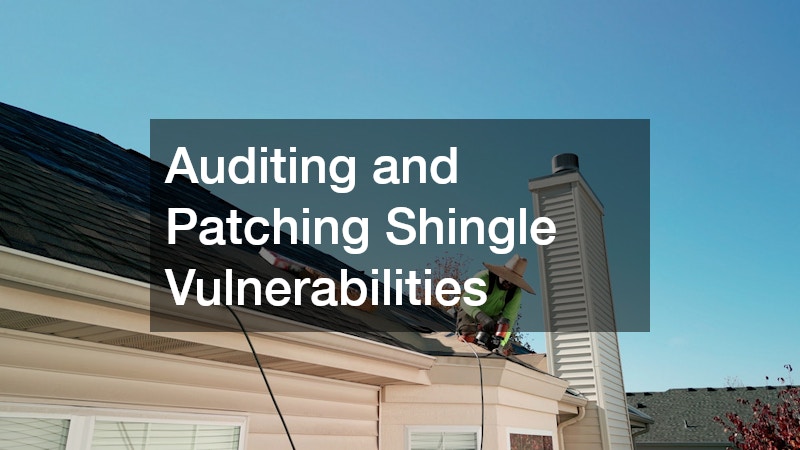
The primary defense against environmental wear is the roof envelope. Day after day, roofing materials absorb ultraviolet radiation, endure thermal expansion and contraction, and deflect high-velocity wind and driving rain. Over time, asphalt shingles lose their protective mineral granules, sealant strips weaken, and underlying underlayment becomes exposed to moisture. Even a minor gap in your roof’s outer layer allows water to migrate beneath the surface, where it slowly saturates subflooring, rots structural rafters, and degrades ceiling insulation.
To catch these issues before they turn into interior drywall leaks or timber rot, perform a bi-annual visual audit using binoculars or safely mounted ladders:
- Look for shingle edges that are curling upward, cupping downward, or cracking along thermal stress lines.
- Examine valley areas and pitch transitions where water accumulates and flows at high velocity.
- Inspect metal flashing around chimneys, plumbing vent stacks, and skylights for rusted fasteners or cracked caulking.
- Check the attic space directly underneath the roof deck for dark water stains, soft spots, or mold growth.
Addressing localized damage promptly through focused roof repairs stops moisture intrusion at the entry point. Patching torn flashing, replacing damaged shingles, and resealing boot penetrations preserves the integrity of the roof deck and delays the need for a total structural tear-off.
Selecting Vetted Contractors for Major Structural Overhauls
When roof degradation extends across multiple slopes or the underlying decking suffers widespread moisture damage, spot fixes are no longer sufficient. Full roof replacement is a major structural intervention that requires precise execution, specialized equipment, and deep knowledge of local building codes. Attempting to cut corners during a complete roof overhaul often results in improper ventilation, inadequate ice barrier installation, and early material failure.
Engaging a licensed roofing company guarantees that your home’s primary protective barrier is installed according to strict engineering standards. Qualified contractors possess the expertise to evaluate structural weight capacities, recommend appropriate synthetic underlayments, and ensure proper ridge-and-soffit airflow dynamics.
- Verify active state licensing, comprehensive general liability coverage, and worker’s compensation insurance.
- Request detailed itemized estimates that break down tear-off costs, decking replacement per sheet, and underlayment materials.
- Confirm manufacturer certifications, which grant access to extended non-prorated system warranties.
- Review references to evaluate past performance on projects with similar architectural styles and roof pitches.
Diverting Runoff Away from Foundations
Water is the single greatest threat to a home’s structural foundation. When rainwater falls on a roof and flows uncontrolled off the eaves, it collects along the perimeter of the house, saturating the soil directly adjacent to foundation walls. This saturation creates hydrostatic pressure—a heavy pushing force exerted by water-logged soil that causes concrete footings to shift, basement walls to bow inward, and foundation slabs to crack.
Controlling roof runoff requires an engineered drainage network that collects water at the roofline and discharges it far from the foundation perimeter. Utilizing professional gutter services ensures that seamless gutters are hung with the exact slope gradient required to move high volumes of water without overflowing.
- Pitch gutters precisely at a ratio of 1/4 inch of drop for every 10 feet of horizontal run toward downspouts.
- Install downspout extension pipes or underground pop-up emitters that carry discharge at least 5 to 10 feet away from foundation walls.
- Clear organic debris, leaves, and pine needles every spring and autumn to prevent localized weight sagging and overflow.
- Secure loose fascia brackets and replace damaged downspout elbows to keep the drainage pathway structural and leak-free.
Eliminating Deep Underground Line Blockages

Exterior drainage management extends below ground into buried drain lines, French drains, and main sewer laterals. These subterranean pipes handle high volumes of wastewater and storm runoff, but they are vulnerable to root intrusion, sediment buildup, and grease accumulation. When an underground line develops a major blockage, fluid backs up toward the home, rising into low-lying floor drains, crawl spaces, or basement floors.
Standard mechanical snakes often punch a thin hole through a blockage without completely clearing the pipe interior. Utilizing advanced hydro jetting services provides a total structural clean for underground plumbing. High-pressure water jets scour the internal walls of the pipe, cutting through thick tree roots, removing hardened mineral scale, and flushing out lingering sediment without damaging the pipe walls.
- Conduct video camera line inspections annually to locate root intrusion points and structural pipe sags before hydro-cleaning.
- Schedule deep line cleaning whenever multiple lower-level drains begin gurgling or draining slowly.
- Avoid planting deep-rooting trees or large shrubs directly over known main sewer and drainage pipe paths.
Conducting Annual Whole-House Pipe Diagnostics
While roof and drainage failures are usually visible from the outside, internal plumbing leaks operate in secret. High-pressure water supply lines concealed within wall cavities, ceiling joists, and subfloors can develop pinhole leaks caused by internal pipe friction, manufacturing defects, or subtle vibrations. Left unchecked, a minor supply leak will quietly rot wall studs, warp hardwood flooring, and cultivate toxigenic mold spores inside wall cavities.
Preventing structural wood decay requires aggressive leak detection and proactive pipe health management. Hiring a certified plumber to perform an annual pressure and structural evaluation protects your home’s internal framework from silent water damage.
- Conduct static pressure testing on main incoming water lines to ensure pressure levels stay between safe limits (40 to 70 PSI).
- Inspect visible copper, PEX, and galvanized supply lines in basements or crawl spaces for green corrosion, white mineral deposits, or weeping joints.
- Test shut-off valves at individual fixtures to verify they close completely in emergency scenarios.
- Perform meter leak checks by turning off all water fixtures and observing whether the water meter continue to record flow over a two-hour window.
Eliminating Mineral Buildup at the Point of Entry
Water chemistry directly impacts the structural lifespan of your entire indoor plumbing infrastructure. Hard water contains high concentrations of dissolved minerals like calcium and magnesium. As hard water travels through pipes and fixtures, these minerals heat up and crystallize, forming hard scale along the interior walls of supply lines, valve cartridges, and internal heating elements. Over time, scaling restricts water flow, increases internal pressure, degrades rubber seals, and accelerates metal oxidation.
Installing a whole-house water filtration unit at the main supply entry point eliminates these damaging impurities before water ever reaches your interior pipes or mechanical appliances. Treating incoming water lowers chemical aggressiveness and stops scale accumulation before it starts.
- Choose a system equipped with iron, sediment, and hard mineral conditioning designed to match your specific municipal or well water profile.
- Replace internal sediment pre-filters every 3 to 6 months to maintain optimal flow rates throughout the home.
- Protect delicate fixtures, dishwasher valves, and washing machine supply lines from abrasive particles.
- Extend the operating lifespan of internal plumbing lines by reducing internal mineral friction and chemical erosion.
Troubleshooting Early Signs of Tank and Component Wear

Water heaters are high-stress appliances that operate continuously under intense thermal and hydraulic pressure. As water heats up, sediment settles to the bottom of the tank, creating an insulating layer between the heat source and the water. This forces burner assemblies or electric heating elements to work harder, leading to thermal stress, metal fatigue, and tank failure. A ruptured hot water tank can release dozens of gallons of boiling water in minutes, causing massive structural damage to surrounding floors and walls.
Recognizing early failure indicators allows you to execute targeted water heater repairs before catastrophic tank ruptures occur:
- Listen for popping or rumbling sounds coming from the tank, which signal boiling water trapped beneath heavy sediment layers.
- Flush the tank annually through the drain valve to discharge accumulated mineral scale and sediment.
- Test the temperature and pressure relief valve regularly to ensure it discharges freely and reseats properly.
- Inspect the sacrificial anode rod every 2 years and replace it when more than 6 inches of core wire is exposed, keeping the main steel tank protected from internal rust.
Replacing Outdated Cooling Systems for Better Efficiency
Indoor climate control involves more than maintaining thermal comfort; it plays an essential role in preserving structural building materials. Uncontrolled indoor humidity causes wooden floorboards to swell and buckle, weakens interior drywall fasteners, and encourages structural mold growth behind baseboards and inside wall cavities. Modern cooling systems remove excess moisture from indoor air while precisely controlling ambient temperatures.
When an aging cooling unit experiences continuous compressor failure, refrigerant leaks, or improper short-cycling, replacing the unit via professional air conditioning installations provides both immediate energy savings and structural humidity control.
- Perform Manual J load calculations to size the replacement unit correctly for your home’s total volume and insulation values rather than relying on rough estimates.
- Select high-SEER2 rated units that feature variable-speed compressors for continuous moisture extraction.
- Ensure primary and secondary condensate drain pans are fitted with float switches that automatically shut off the unit if drain lines become clogged.
- Verify proper refrigerant charge levels during setup to prevent evaporator coil freezing and subsequent water spillage inside air handlers.
Partnering with System Specialists for Seasonal Maintenance
Central heating and cooling systems are the mechanical heart of a home. Operating complex blowers, compressors, gas valves, and electronic control boards continuously throughout seasonal swings requires routine professional oversight. Neglected mechanical systems operate inefficiently, consume excessive power, pull elevated electrical currents, and suffer premature mechanical failure during severe winter freezes or summer heatwaves.
Establishing a recurring maintenance relationship with a certified HVAC company guarantees that your system’s critical mechanical components are cleaned, calibrated, and monitored by expert technicians. Routine servicing keeps systems balanced and reduces mechanical drag across all moving parts.
- Clean and inspect evaporator and condenser coils annually to maximize heat transfer efficiency and lower compressor stress.
- Test and tighten all line-voltage electrical connections, contactors, and capacitors to prevent wiring burnouts.
- Inspect, seal, and balance main distribution ductwork to ensure uniform airflow across all living zones.
- Verify heat exchanger integrity in gas furnaces to prevent carbon monoxide leakage into indoor living spaces.
Scaling Electrical Capacity to Match Modern Power Loads

A home’s electrical grid is its central nervous system. Modern households draw far more power today than they did decades ago, driven by high-draw HVAC equipment, modern cooking appliances, sub-panel additions, and electric vehicle charging stations. When an outdated electrical infrastructure is forced to handle modern electrical demand, circuits become overloaded. Overloaded circuits generate extreme heat inside wall cavities, melting wire insulation, degrading breaker switches, and presenting severe internal fire hazards.
Upgrading your central power infrastructure through modern electrical panel upgrades ensures your electrical system can handle heavy operational loads safely and reliably. Transitioning from older 100-amp service panels to modern 200-amp or 400-amp configurations provides the headroom required for advanced building mechanicals.
- Replace outdated fuse boxes or legacy panels known for failing to trip during overcurrent conditions.
- Install dedicated high-amperage branch circuits for heavy mechanical units like heat pumps and electric water heaters.
- Incorporate whole-house surge protection directly at the main panel level to protect electronic appliance controls from grid power spikes.
- Address warning signs immediately, including flickering lights, buzzing breaker panels, or outlet cover plates that feel warm to the touch.
Reinforcing your home’s structural components demands an organized, long-term approach. By systematically addressing each zone of your property—from roof shingles and drainage pathways down to sub-surface lines, indoor plumbing, thermal appliances, and electrical panels—you build a protective defense around your home. Proactive upgrades and consistent maintenance prevent costly emergency repairs, safeguard your indoor environment, and ensure your home remains a safe, durable asset for decades to come.